Having kids is free slave labor, not using them for chores is bad parenting
The idea that having kids means gaining free labor can sound harsh at first, but when properly understood, it underscores an important truth about parenting and household dynamics. Children, like all members of a family, benefit from contributing to the running of the home. Not involving them in chores can deny them essential life skills, responsibility, and a sense of belonging. This article explores why encouraging kids to participate in household chores is not only practical but an integral aspect of good parenting.
The Value of Chores in Child Development
Using children to help with chores isn’t about exploiting them for free labor; it’s about teaching responsibility and self-reliance. Chores give children a clear sense of contribution and accomplishment, building self-esteem and a sense of purpose. When parents involve their kids in everyday tasks such as tidying rooms, helping with dishes, or organizing belongings, they are teaching them how to manage their surroundings and appreciate the effort required to maintain a home.

Moreover, chores serve as an early introduction to time management and prioritization. Children learn to allocate time for tasks alongside other activities such as homework and leisure. This balance is crucial for developing organizational skills that are invaluable later in life.
Why Not Using Children for Chores Can Be Harmful
Avoiding chores with the rationale of wanting to “spare” children from work can actually be detrimental. Children grow up expecting others to always clean up after them, which can foster entitlement and dependency. Without contributing to household upkeep, kids may fail to understand the value of cooperation and teamwork, both vital social skills.
Additionally, kids who don’t engage in chores might miss out on essential lessons about responsibility and accountability. When parents always take care of every task, children might struggle to adapt when living independently, often feeling unprepared to handle everyday demands. This gap can lead to frustration and difficulty managing adult life.

Fostering Cooperation Through Chores
Involving children in chores creates an environment of shared responsibility and cooperation. Families working together to maintain the household can strengthen relationships and improve communication. Parents who assign chores thoughtfully and age-appropriately encourage children to view themselves as important contributors rather than passive dependents.
Parents can make chores engaging by turning them into games or challenges, rewarding completion with praise or small incentives. This approach can transform chores from tedious obligations into enjoyable learning opportunities. This sense of teamwork helps children internalize the value of their contributions while also feeling connected to the family unit.
Age-Appropriate Chores: Building Skills Step by Step
Good parenting means matching chores to a child’s age and abilities. Assigning tasks that are too difficult can cause frustration, while chores that are too simple might feel meaningless. Younger children can start with basic chores such as picking up toys, sorting laundry by color, or setting the table. As they grow, more complex tasks like washing dishes, vacuuming, or preparing simple meals can be introduced.
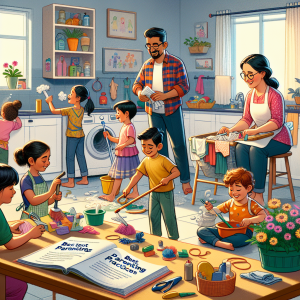
Providing clear instructions and demonstrating how to complete chores properly sets children up for success. It’s also important to maintain consistency and patience as kids develop proficiency. Over time, these small contributions add up and prepare children to be competent, independent adults.
The Long-Term Benefits: Responsibility and Work Ethic
Regular participation in chores helps nurture a strong work ethic and a realistic understanding of effort and reward. Children who engage in household tasks tend to appreciate the work involved in everyday activities and are more likely to carry these values into adulthood.
Research has shown that children who do chores regularly perform better academically and develop stronger social skills. They tend to be more responsible and dependable, qualities that benefit both their personal and professional lives in the long run.

Conclusion: Parenting Through Participation
In summary, having children in the household is not a source of “free slave labor” in a negative sense but rather an opportunity for meaningful involvement and education. Neglecting to use children for household chores overlooks the chance to teach critical life skills and undermines their development into capable, responsible individuals.
Good parenting involves fostering a collaborative family environment where every member, regardless of age, contributes to shared goals. By encouraging children to participate in chores, parents equip them with the tools necessary for success, independence, and healthy relationships. This approach ensures that children don’t just live in a home — they help build and maintain it, learning invaluable lessons along the way.